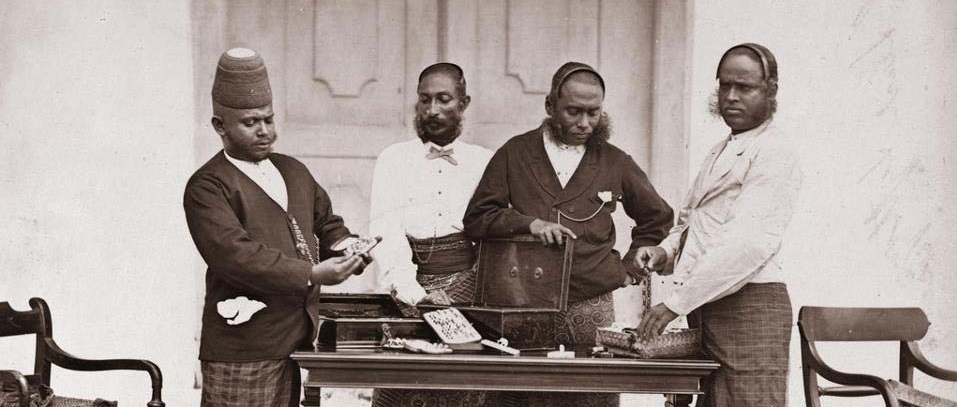
Long before modern mining equipment existed, Sri Lanka's gem-bearing gravel — known locally as "illam" — was already famous well beyond the island's shores. Ancient Greek and Roman traders wrote of sapphires and other precious stones arriving from Taprobane, an old name for Sri Lanka, and Arab traders later carried the island's reputation as far as the Middle East and China.
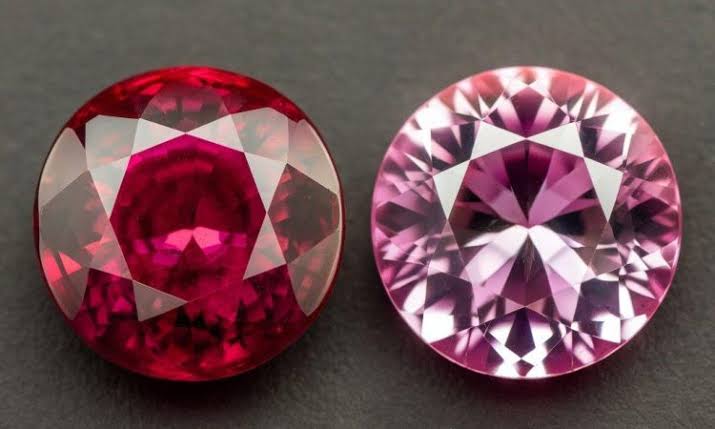
The gem-rich district of Ratnapura — whose name literally translates to "City of Gems" — sits at the heart of this history. Its alluvial gravel deposits, formed over millions of years as gem-bearing rock eroded and settled into ancient riverbeds, still produce a remarkable range of stones: sapphire, ruby, garnet, spinel, tourmaline, and more, often from mines only a few meters deep.
Traditional mining methods here have remained strikingly consistent for generations. Miners dig narrow pits down to the gem-bearing gravel layer, then wash the material by hand in circular baskets, swirling water to separate the heavier gemstones from lighter sediment — a technique that requires as much skill as any modern equipment.
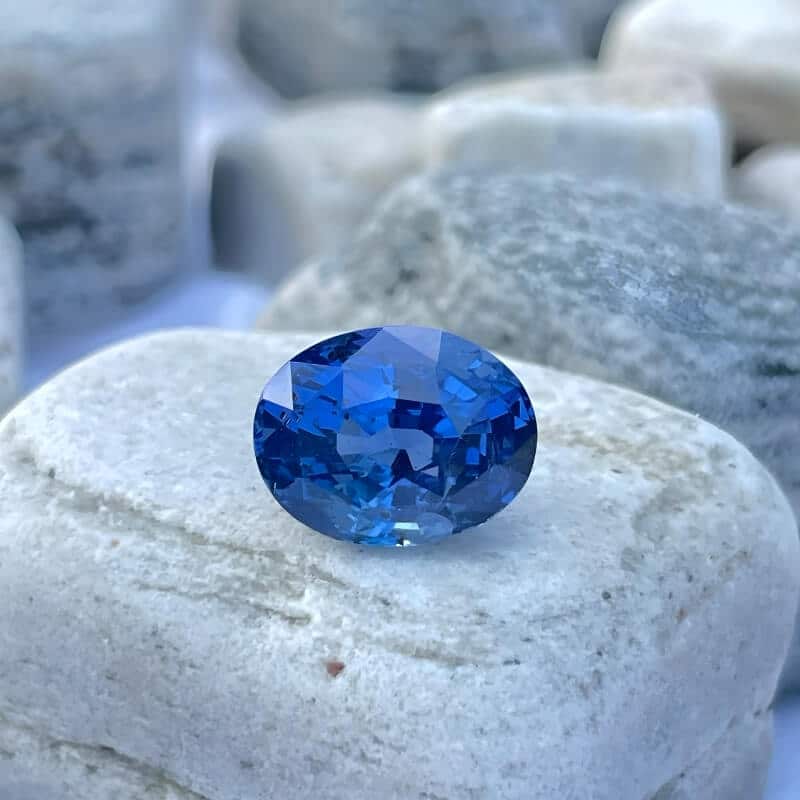
What sets Sri Lankan sapphires apart historically is consistency of quality across a very long timeline; the same mining regions that supplied royal courts centuries ago are, in many cases, still active today, which is part of why "Ceylon" remains a recognized and respected origin term in the international gem trade rather than just a nostalgic label.
Modern gemology has only reinforced that reputation — laboratory testing now confirms what traders knew empirically for centuries: geographic origin genuinely does correlate with certain optical and chemical fingerprints, and Ceylon material consistently tests among the finest in the world for color and clarity in blue sapphire.